
The Politics of Impunity
The Disappearance of Josef MengeleThis flow examines how political accommodation, bureaucratic indifference, and family protection helped Nazi criminals evade accountability after the war.
increasing Bearing strength in each event
 decreasing
Bearing strength in each eventdecreasingThe Refuge Opens
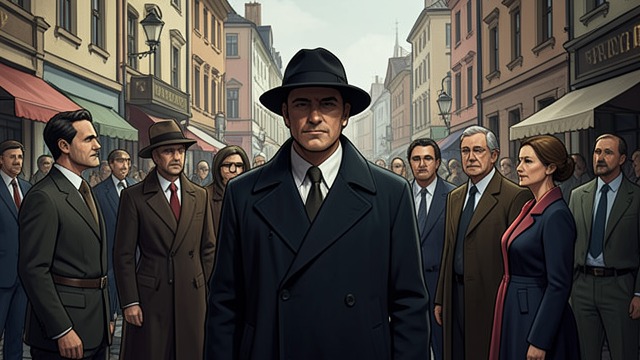
The Refuge Opens
A welcoming destination
Argentina admitted thousands of European extremists and collaborators after the war. Political leaders valued their technical skills and welcomed anti-communist allies.
Escape organized
Nazi Ratlines enabled fugitives to travel under false identities. Josef Mengele’s arrival depended on systems that converted political sympathy into practical escape.
The Return to Respectability

The Return to Respectability
Postwar priorities
West Germany reintegrated former officials and professionals as it rebuilt its institutions and aligned with the West. Accountability often gave way to economic and political stability.
The effect on Josef Mengele
His family expected that the climate would protect him, and German officials issued documents that helped normalize his identity. State condemnation of Nazism coexisted with weak pursuit of its perpetrators.
An Extradition Delayed

An Extradition Delayed
Procedures over urgency
Requests for Josef Mengele’s extradition passed through slow offices and diplomatic channels. Paraguay resisted pressure by invoking citizenship and sovereignty.
Political calculation
Governments weighed relations and strategic interests alongside justice. The pursuit could be delayed without openly abandoning the principle that a war criminal should face trial.
The Family Shield
The Family Shield
Private protection
Relatives and intermediaries supplied money, communication, and concealment to Josef Mengele. Their support relied on coded messages and repeated denials.
The cost of loyalty
Family solidarity protected both the fugitive and a successful business. It also turned silence into active complicity, extending the consequences of his crimes into later generations.
Late Public Reckoning

Late Public Reckoning
The secret exposed
The exhumation in Brazil revealed how long Josef Mengele’s supporters had concealed his death. Public attention shifted from the fugitive to those who had helped him.
Limited accountability
His supporters were not prosecuted for their role, while the family enterprise suffered reputational damage. Historical disclosure came decades after the possibility of a trial had passed.
late 1940s
1950s
1959 to 1965
1960s to 1980s
1985 to 1992
